ADHD Academic Coaching vs Tutoring: Which Do You Need?
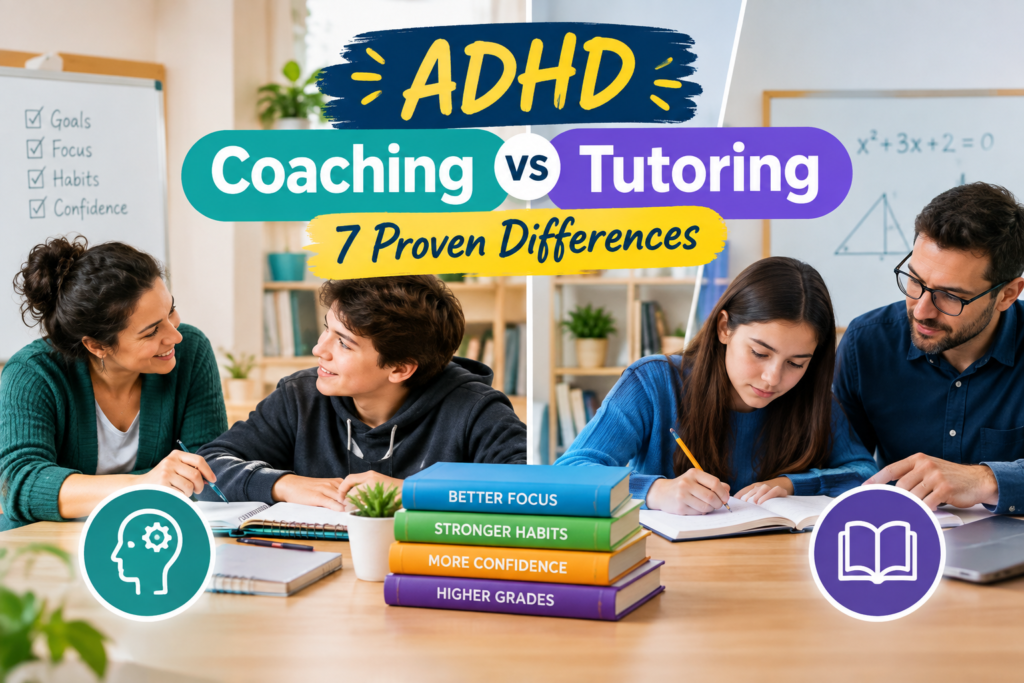
ADHD academic coaching helps students develop practical ways to plan, start, organise and complete academic work. Tutoring primarily helps students understand and […]
Explore easy-to-read articles on ADHD focus, planning, routines, study strategies, time management, and executive function — written for real life, not just theory.
ADHD academic coaching helps students develop practical ways to plan, start, organise and complete academic work. Tutoring primarily helps students understand and practise a subject. The services overlap, and some…
Read Full Guide →Practical reads covering focus, planning, routines, study, work, and executive function — for adults, students, and parents.
ADHD academic coaching helps students develop practical ways to plan, start, organise and complete academic work. Tutoring primarily helps students understand and […]
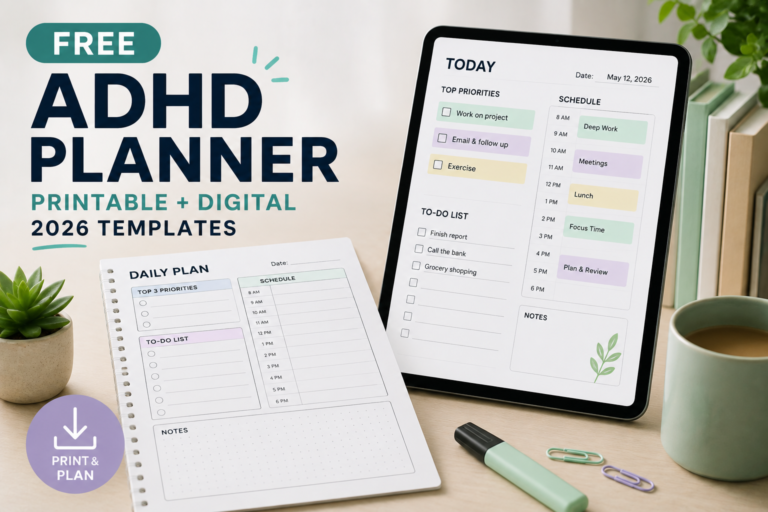
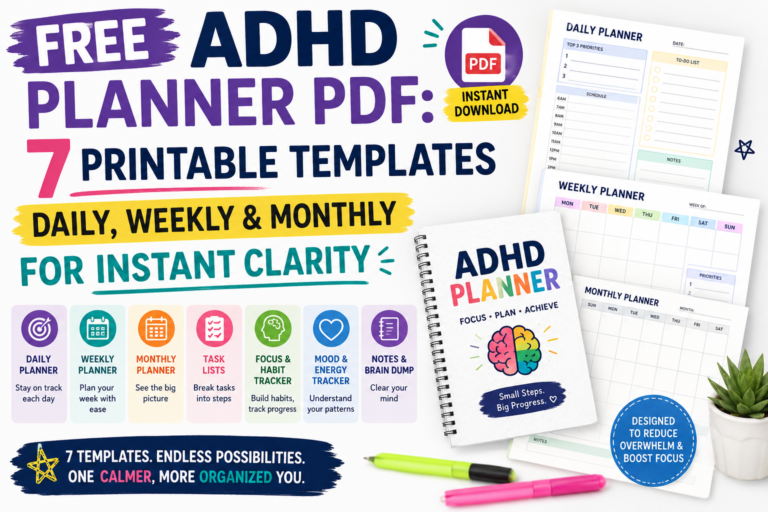
This free ADHD planner includes daily, weekly and restart templates you can copy into a document or notes app, or print for […]
The most useful ADHD organization tool is one that addresses a specific difficulty you encounter. A reminder app can bring a deadline […]
Body doubling means using another person’s presence as support while you work on a task. You might sit beside a friend, join […]
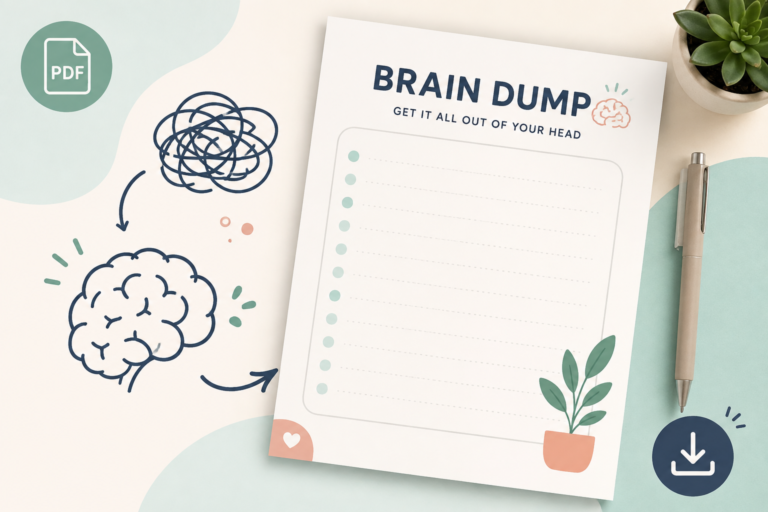
An ADHD brain dump worksheet gives you somewhere to record tasks, ideas, questions and worries before deciding what needs attention. You can […]
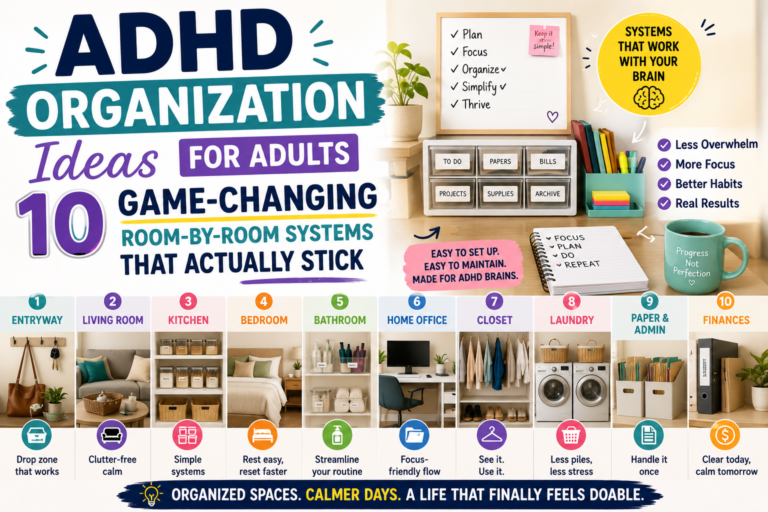
Useful ADHD organization ideas make belongings easier to find and return without creating a complicated routine. Start with one recurring problem: missing […]
This free ADHD planner PDF bundle contains seven undated worksheets for recording commitments, choosing next actions and reviewing plans. Choose the A4 […]
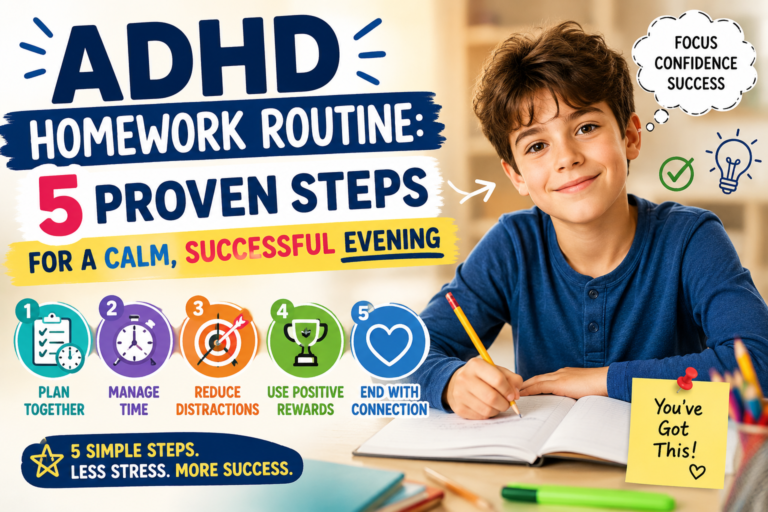
A useful ADHD homework routine makes the next step clear, provides support where needed and includes checking that the work reaches the […]
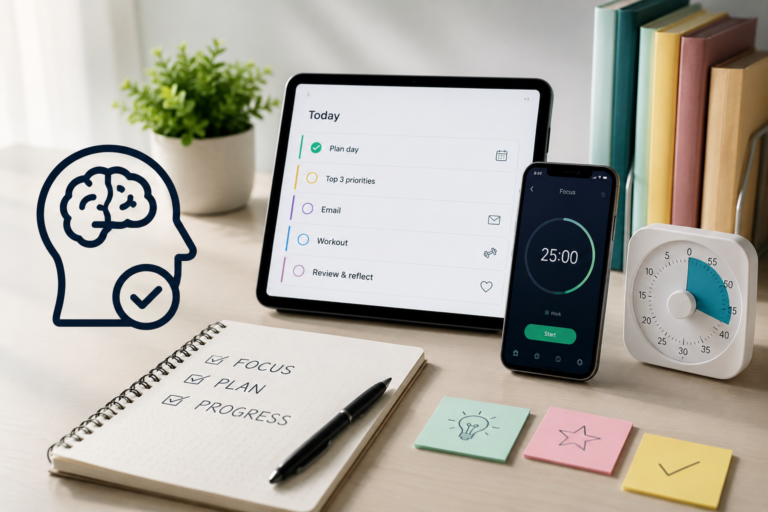
An ADHD focus planner is a short plan for the work you intend to attempt next. It records the task, a clear […]
Jump straight to the topic that matters most to you right now — every section has practical, jargon-free guides.
Strategies that may help reduce distraction and improve task completion day by day.
Browse articles →How to build daily and weekly routines that work with ADHD tendencies, not against them.
Browse articles →Planners, checklists, and systems that help bring structure to busy, scattered days.
Browse articles →ADHD-friendly study techniques, session planning, and note-taking frameworks for students.
Browse articles →Practical strategies for managing deadlines, meetings, emails, and workplace focus.
Browse articles →Free downloadable planners, trackers, and checklists you can print and use today.
Browse printables →Every article on ADHDGuider is written to be practical, honest, and evidence-informed. We do not make medical claims, we do not promise results, and we always direct readers to qualified professionals for personal health concerns. Content is reviewed regularly and references trusted sources where relevant.
Every guide ends with concrete next steps — not just information, but something you can actually try today.
Content draws on reputable health and educational sources. Language is careful: "may help", "can support", never "will cure".
Articles are updated to reflect current best practices. Publication and revision dates are shown on every post.
Quick answers about how ADHDGuider content is written and what you can expect.
ADHDGuider articles are written by educational content creators with a focus on practical ADHD support. They are not authored by doctors or licensed clinicians, and they are not a substitute for professional medical advice. We always recommend consulting a qualified healthcare professional for personal health decisions.
Articles are written for adults with ADHD, students, parents of children with ADHD, and working professionals who want practical strategies for focus, planning, and daily organization. All content is written in plain, jargon-free language.
We aim to publish new ADHD guides and articles regularly. We also review and update existing content to keep it accurate and useful. Each article shows its publication and last-updated date.
Yes. Where relevant, articles reference reputable sources including government health agencies, established educational bodies, and peer-reviewed research. We use careful language — "may help", "research suggests" — and avoid making definitive medical claims.
Absolutely. ADHDGuider articles and tools are designed to complement — not replace — professional support. Many readers use them alongside therapy, coaching, or medication management to reinforce daily strategies and build helpful habits.
Reading is a great start — but the tools make it real. Try a planner, focus timer, or routine generator and take one small step today.